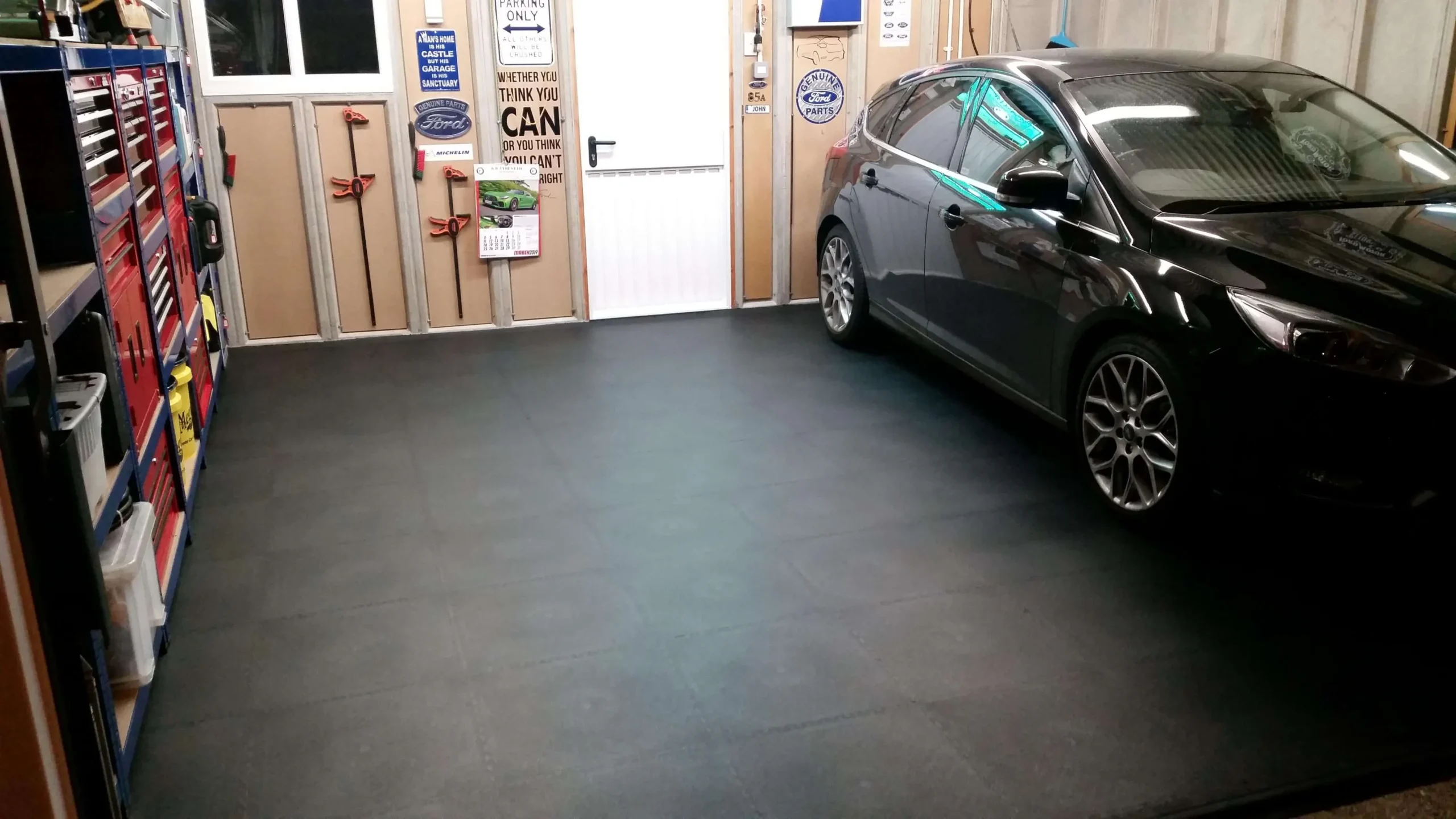
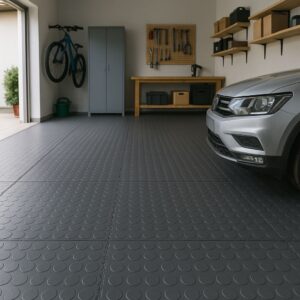
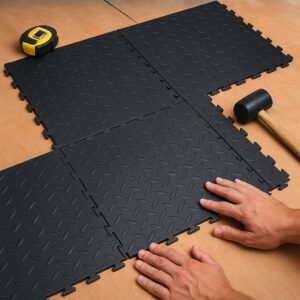

Landlords and tenants may want to refresh worn floors without a lengthy renovation. Before choosing interlocking tiles, clarify what alterations the lease permits.
What to inspect before choosing flooring
A floating installation may be appropriate for certain products and substrates, but removability is not guaranteed and depends on the flooring system and conditions. Check whether adhesive, trims or subfloor repairs are needed.
How to plan the next step
Photograph the existing floor, confirm door clearances and document installation arrangements. If the property is rented, obtain the necessary permission before altering shared spaces or permanent fixtures.
Practical considerations for your project
Keep a record of the floor condition before work begins, including photographs of pre-existing marks or cracks. This is useful when agreeing on any later removal or repairs.
Clarify whether edging, adhesives or permanent subfloor alterations are needed. A modular tile is not necessarily a temporary installation.
For related advice, read our flooring guide and check the Cape Lock Tiles product range. Confirm product-specific performance and installation requirements before purchasing.
Questions worth asking your flooring supplier
- Is this exact product suitable for my intended use and subfloor?
- What measurements, installation accessories and preparation are needed?
- Are there written care instructions or product-specific limitations?
Browse the Cape Lock Tiles flooring range to compare available options, or contact Cape Lock Tiles with your room measurements and questions. Product suitability should always be checked against the specific flooring selected.