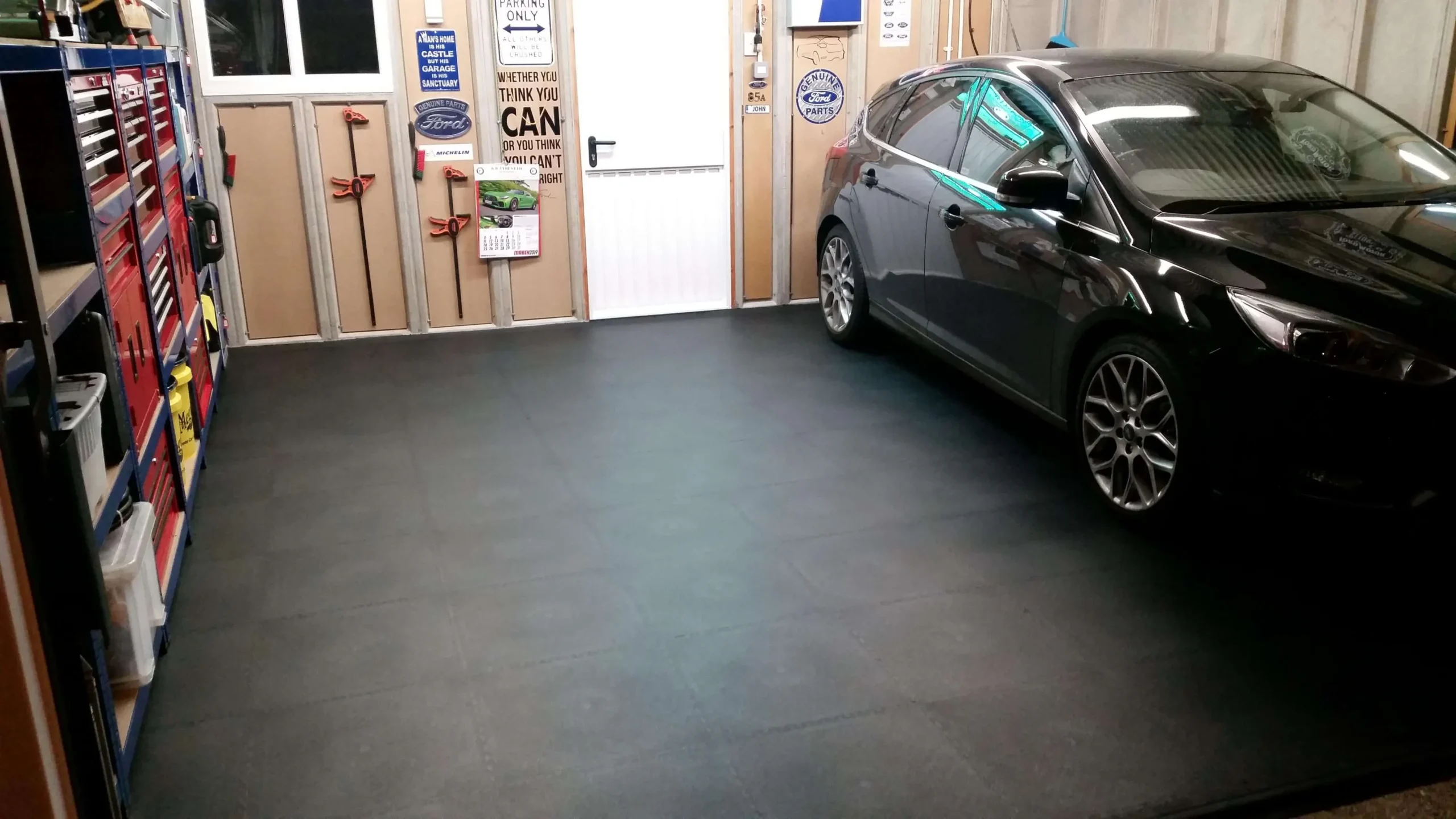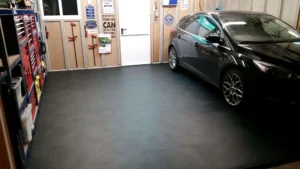

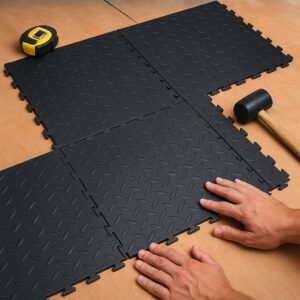

One attraction of certain modular flooring systems is the possibility of replacing a section rather than renewing the whole floor. Whether that is practical depends on the tile design and installation method.
What to inspect before choosing flooring
Identify why the tile was damaged before purchasing a replacement. A recurring spill, unsuitable load or uneven substrate may damage the next tile too.
How to plan the next step
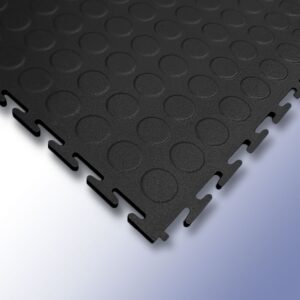
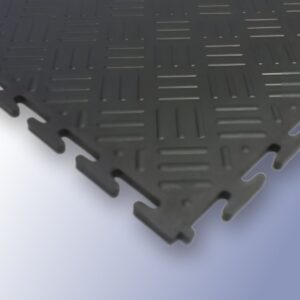
Check that the replacement matches the original profile, thickness, colour and production range. Some systems require special removal steps or professional assistance, especially if adhesive was used.
Practical considerations for your project
Keep the original product code or purchase record if possible. A tile with a similar surface pattern may still have an incompatible locking system.
Inspect neighbouring tiles for movement, distortion or damage. If several adjacent tiles fail, investigate the underlying cause before making cosmetic repairs.
For related advice, read our flooring guide and check the Cape Lock Tiles product range. Confirm product-specific performance and installation requirements before purchasing.
Questions worth asking your flooring supplier
- Is this exact product suitable for my intended use and subfloor?
- What measurements, installation accessories and preparation are needed?
- Are there written care instructions or product-specific limitations?
Browse the Cape Lock Tiles flooring range to compare available options, or contact Cape Lock Tiles with your room measurements and questions. Product suitability should always be checked against the specific flooring selected.