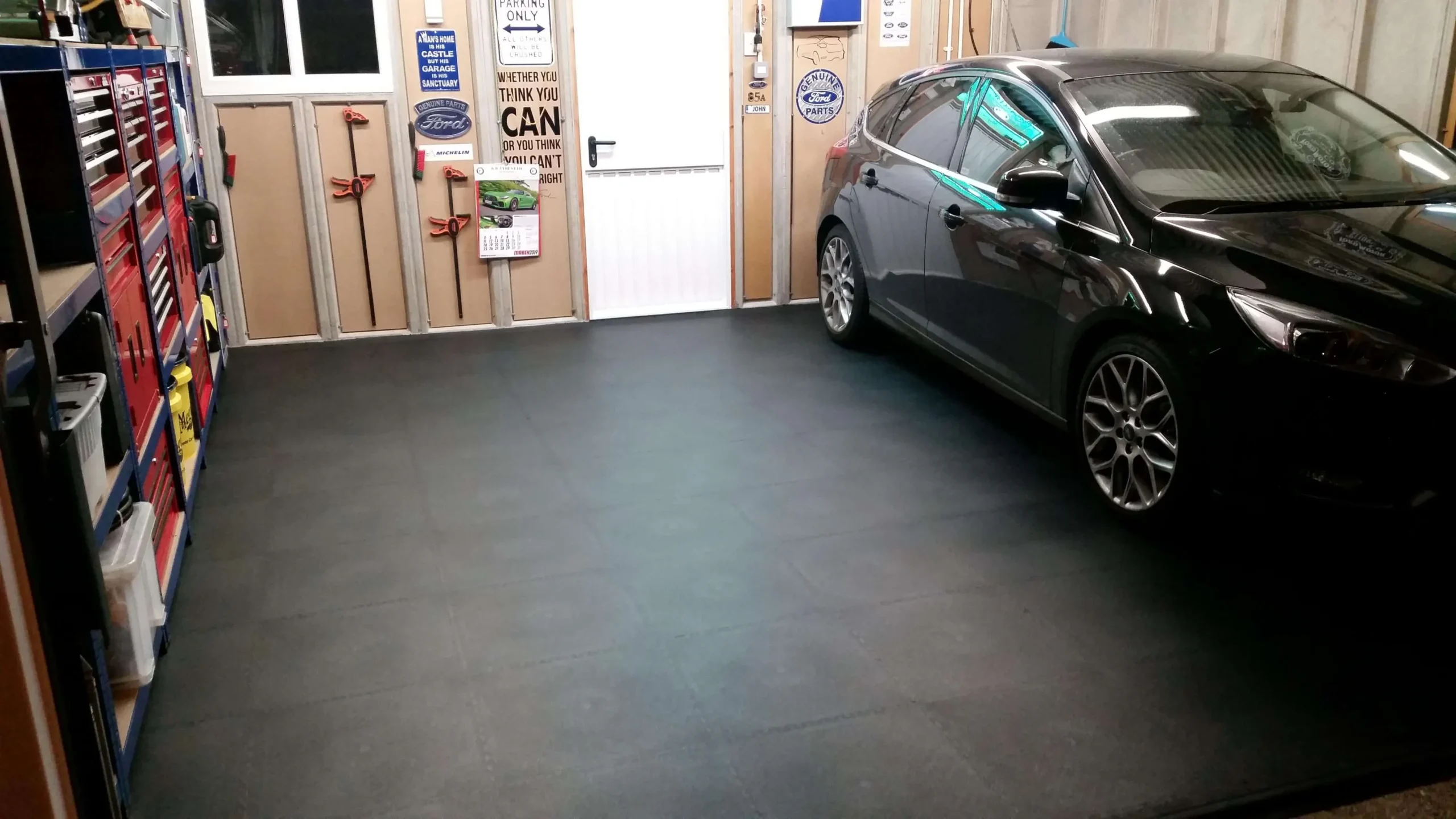
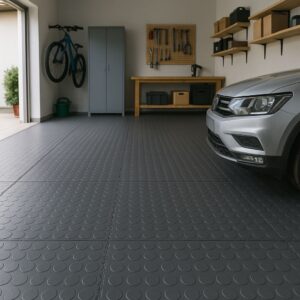
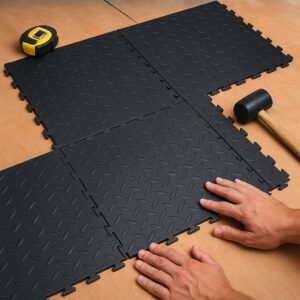

Tile thickness is one specification buyers notice first, but it is not a complete measure of strength. Material formulation, tile structure, support from the substrate and expected traffic all matter.
What to inspect before choosing flooring
Compare the listed thickness for the exact SKU rather than relying on photographs or general product ranges. Check whether the measurement includes raised surface texture or refers only to the tile body.
How to plan the next step
Ask about suitable applications, required subfloor condition and any loading limitations. A thicker tile is not automatically right for every workspace, so match the specification to the actual project.
Practical considerations for your project
Two tiles of equal nominal thickness can perform differently because of their construction and material formulation. Ask for product-specific specifications when comparing options.
At thresholds, confirm how the finished height will interact with doors and adjacent floor finishes. This matters even when the tile looks relatively thin.
For related advice, read our flooring guide and check the Cape Lock Tiles product range. Confirm product-specific performance and installation requirements before purchasing.
Questions worth asking your flooring supplier
- Is this exact product suitable for my intended use and subfloor?
- What measurements, installation accessories and preparation are needed?
- Are there written care instructions or product-specific limitations?
Browse the Cape Lock Tiles flooring range to compare available options, or contact Cape Lock Tiles with your room measurements and questions. Product suitability should always be checked against the specific flooring selected.