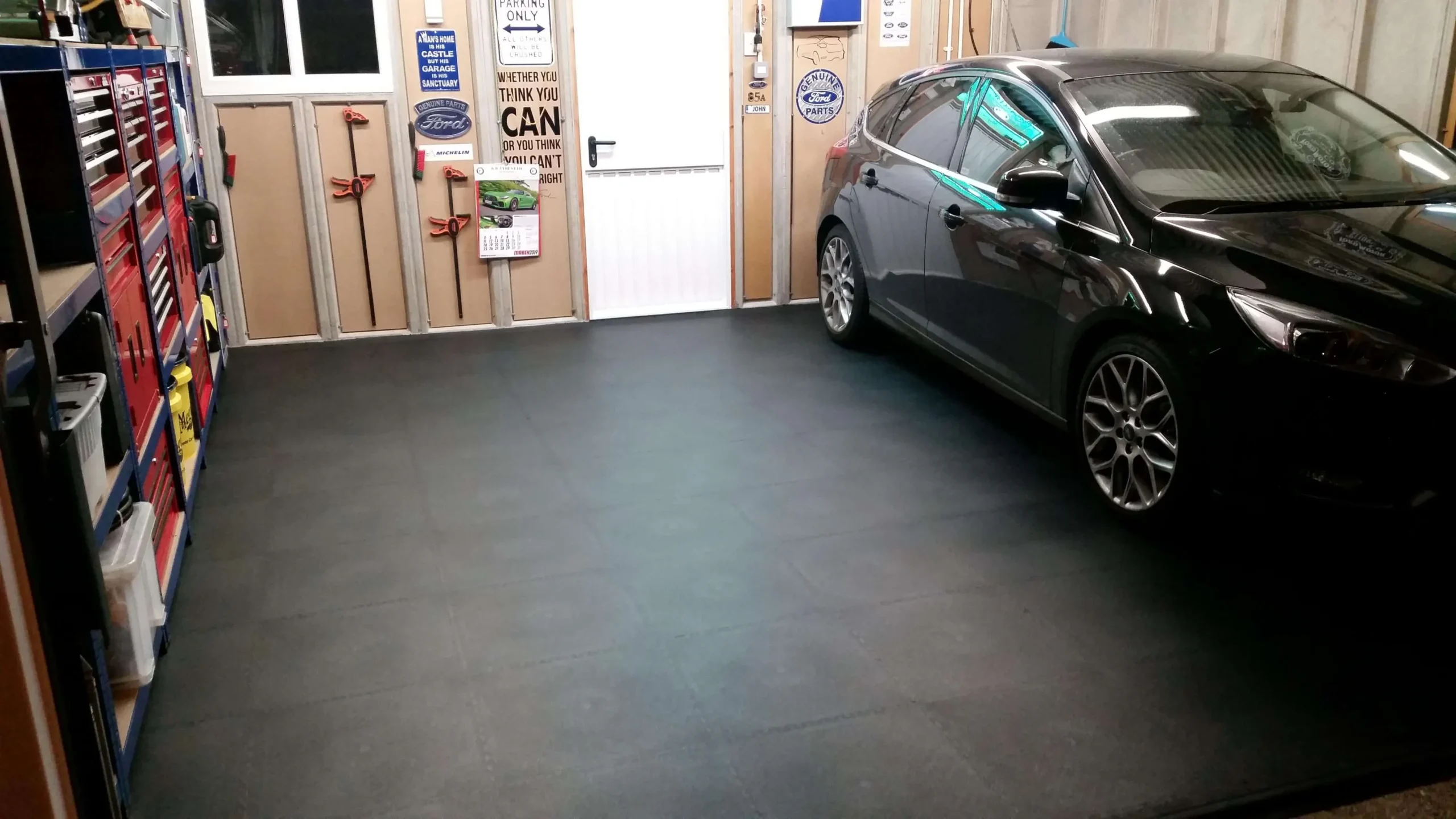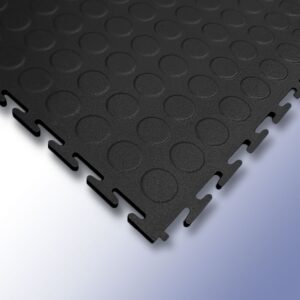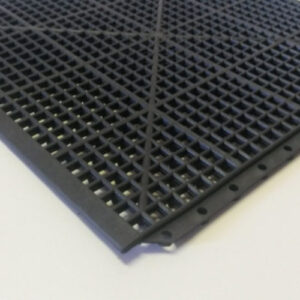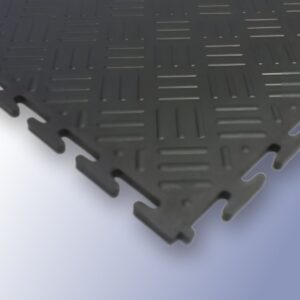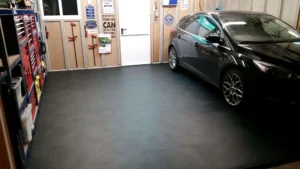
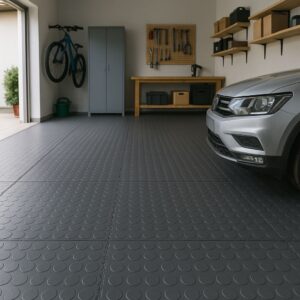
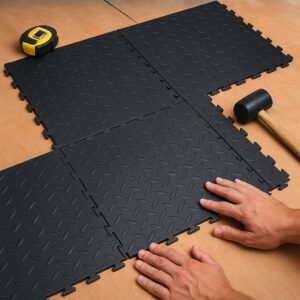

Entrance mats are primarily there to capture dirt and moisture from footwear. Interlocking floor tiles cover larger floor areas and serve different purposes, depending on their material and design.
What to inspect before choosing flooring
At a busy doorway, consider where rainwater, sand and grit enter the building. A suitable entrance matting system may help manage tracked-in debris before it reaches the main floor.
How to plan the next step
Think about recess depths, door swings, accessibility and cleaning. Some spaces need both entrance matting and flooring rather than choosing one in place of the other. Check that transitions do not create an avoidable trip edge.
Practical considerations for your project
An effective entrance zone considers the outside approach as well as the inside doorway. Rain exposure, sand and foot traffic shape the matting choice.
Keep enough clearance for the door to swing freely and for wheelchairs or trolleys to pass. Check the finished heights where different floor materials meet.
For related advice, read our flooring guide and check the Cape Lock Tiles product range. Confirm product-specific performance and installation requirements before purchasing.
Questions worth asking your flooring supplier
- Is this exact product suitable for my intended use and subfloor?
- What measurements, installation accessories and preparation are needed?
- Are there written care instructions or product-specific limitations?
Browse the Cape Lock Tiles flooring range to compare available options, or contact Cape Lock Tiles with your room measurements and questions. Product suitability should always be checked against the specific flooring selected.